Anyone interested in the time period of the "Middle Ages" should be sure to research the "phantom time" hypothesis.
Conventional history holds that the Middle Ages lasted from the late 5th to the late 15th century, about 1000 years. As one data point, a case is made by Anatoly Fomenko that Jesus was born in what we now refer to as the year 1152 AD.
Since they had to invent almost a thousand years, one can see that conventional history from this time period should be considered very suspect.
Fomenko is a a larper imo, however Illig's phantom time hypothesis is worth to be considered. it's not such a long period after all, just 297 years, and the implications of a successful conspiracy between the papacy and the kaiser to shift the calendar by that many years in order to fulfill a prophecy would be mind blowing. one of my favorite conspiracy theories, if you can put it that way
I, for one, hold myself to somewhat more rigorous level of analysis than "is a a larper", but we all insist on doing research our own way. Thanks for your contribution.

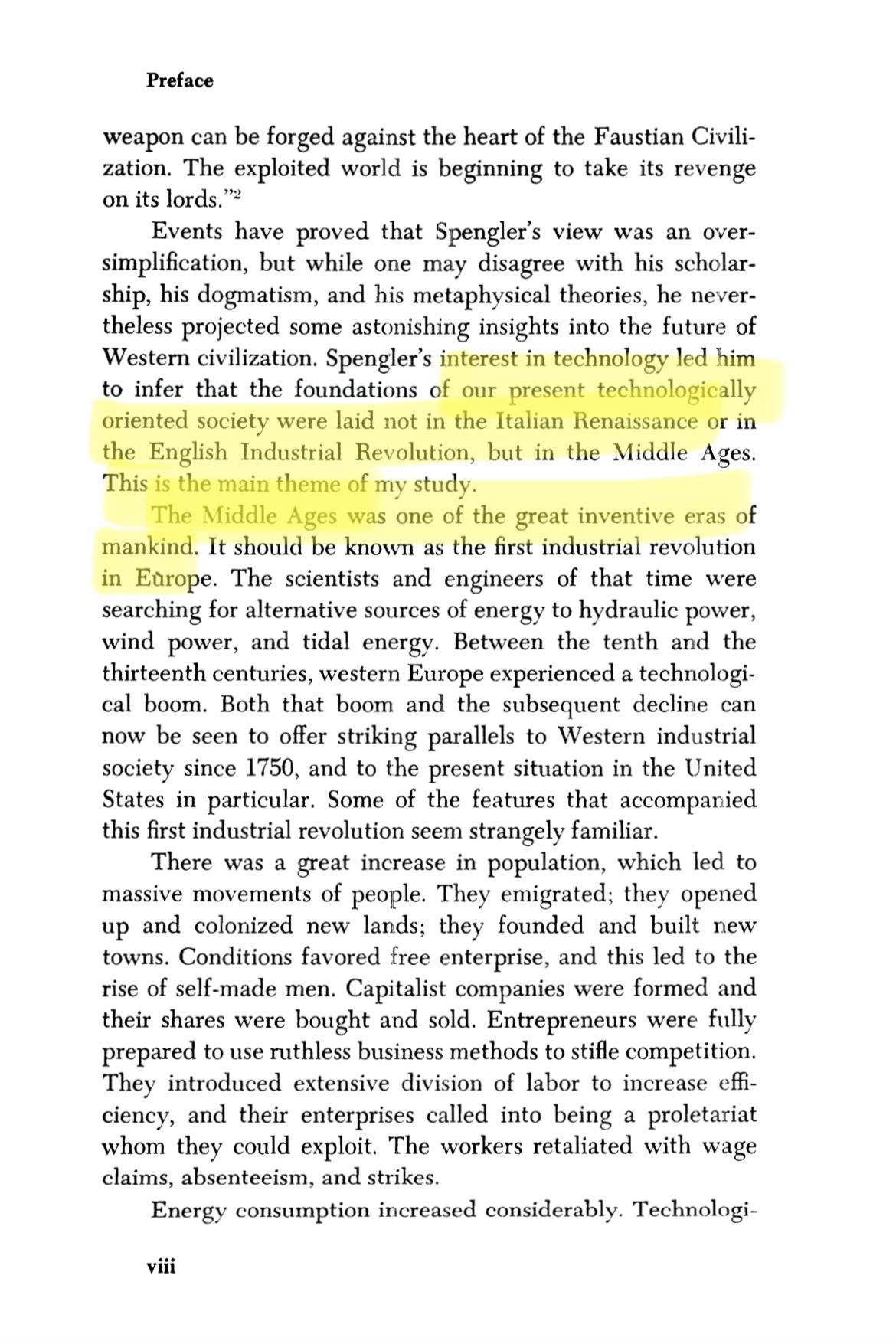

Anyone interested in the time period of the "Middle Ages" should be sure to research the "phantom time" hypothesis.
Conventional history holds that the Middle Ages lasted from the late 5th to the late 15th century, about 1000 years. As one data point, a case is made by Anatoly Fomenko that Jesus was born in what we now refer to as the year 1152 AD.
Since they had to invent almost a thousand years, one can see that conventional history from this time period should be considered very suspect.
Fomenko is a a larper imo, however Illig's phantom time hypothesis is worth to be considered. it's not such a long period after all, just 297 years, and the implications of a successful conspiracy between the papacy and the kaiser to shift the calendar by that many years in order to fulfill a prophecy would be mind blowing. one of my favorite conspiracy theories, if you can put it that way
I, for one, hold myself to somewhat more rigorous level of analysis than "is a a larper", but we all insist on doing research our own way. Thanks for your contribution.